
Built, Shipping, and Still Moving Forward.
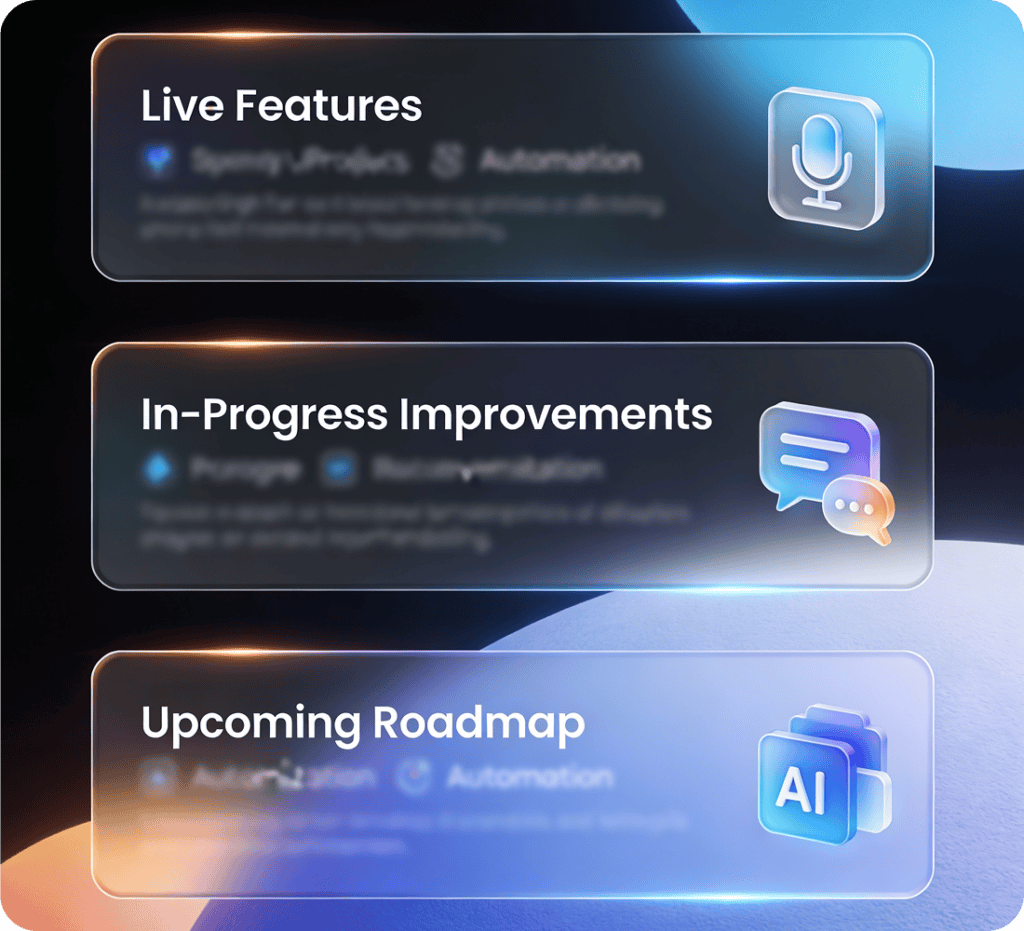
Serious Buyers Want More Than Marketing Copy.
Available in the Platform Today.
Core PBX and Call Routing
Extensions, queues, ring groups, IVR, routing rules, transfer logic, voicemail, and number management.
AI Voice Agent Workflows
Inbound AI answering, conversational handling, transfer logic, structured message capture, and post-call summaries.
Native HMS Integrations
SALT CRM activity sync, Cloud AI Manager knowledge usage, Telnyx telephony services, and Deepgram transcription.
Business SMS and Voicemail Workflows
Shared messaging, voicemail transcription, searchable history, and linked customer communication records.
Admin Dashboard and Reporting
Live call monitoring, call history, role-aware management, and tenant controls.
Being Refined, Expanded, or Rolled Out.
Advanced Analytics Views
Deeper supervisor reporting, AI outcome breakdowns, and expanded campaign insight layers.
Expanded Partner Operations Tooling
Bulk configuration, faster tenant templating, and improved cross-tenant operational workflows.
Polish for Operator Experience
Faster administrative workflows, cleaner onboarding flows, and improved configuration guidance inside the dashboard.
AI Evaluation and QA Tooling
More structured review workflows for prompts, outcomes, handoffs, and transcript-based improvement loops.
What the Team Is Focused on Next
Softphone Experience and Endpoint Convenience
A stronger first-party endpoint experience remains a meaningful product-expansion opportunity for users who want a more controlled calling surface.
BLF and Advanced Operator Presence Features
Busy lamp field behavior, richer presence visibility, and more advanced receptionist-style operator tools are logical roadmap items for high-volume call environments.
CTI and Desktop Workflow Expansion
More direct workflow links between the phone system and day-to-day desktop operations remain a valuable next-stage enhancement path.
Expanded Documentation and Setup Guidance
As the product footprint grows, clearer setup, admin, and troubleshooting content becomes even more important.
This roadmap framing stays honest: it shows what matters next without turning the page into a vague wish list.

Not Every Valuable Feature Ships on Day One.
Known Areas That May Still Be Developing:
- Softphone application strategy and first-party calling UX polish
- BLF and receptionist-focused device workflows
- CTI-style desktop enhancements for certain operational teams
- Additional endpoint guidance for specific hardware environments
- Continued expansion of help content, templates, and public docs
This kind of transparency builds more trust than pretending the roadmap is already complete.
The Roadmap Is Driven by Operational Use, Not Feature Theater.
Why the Roadmap Matters.
Already Operational
Core voice, AI, routing, SMS, and integration layers are live.
Transparent Progress
Visitors can see what is done, what is being refined, and what comes next.
Built for Real Use
Roadmap priorities align to operator and business workflows.
Confidence Without Hype
The page informs buyers without pretending everything is finished.